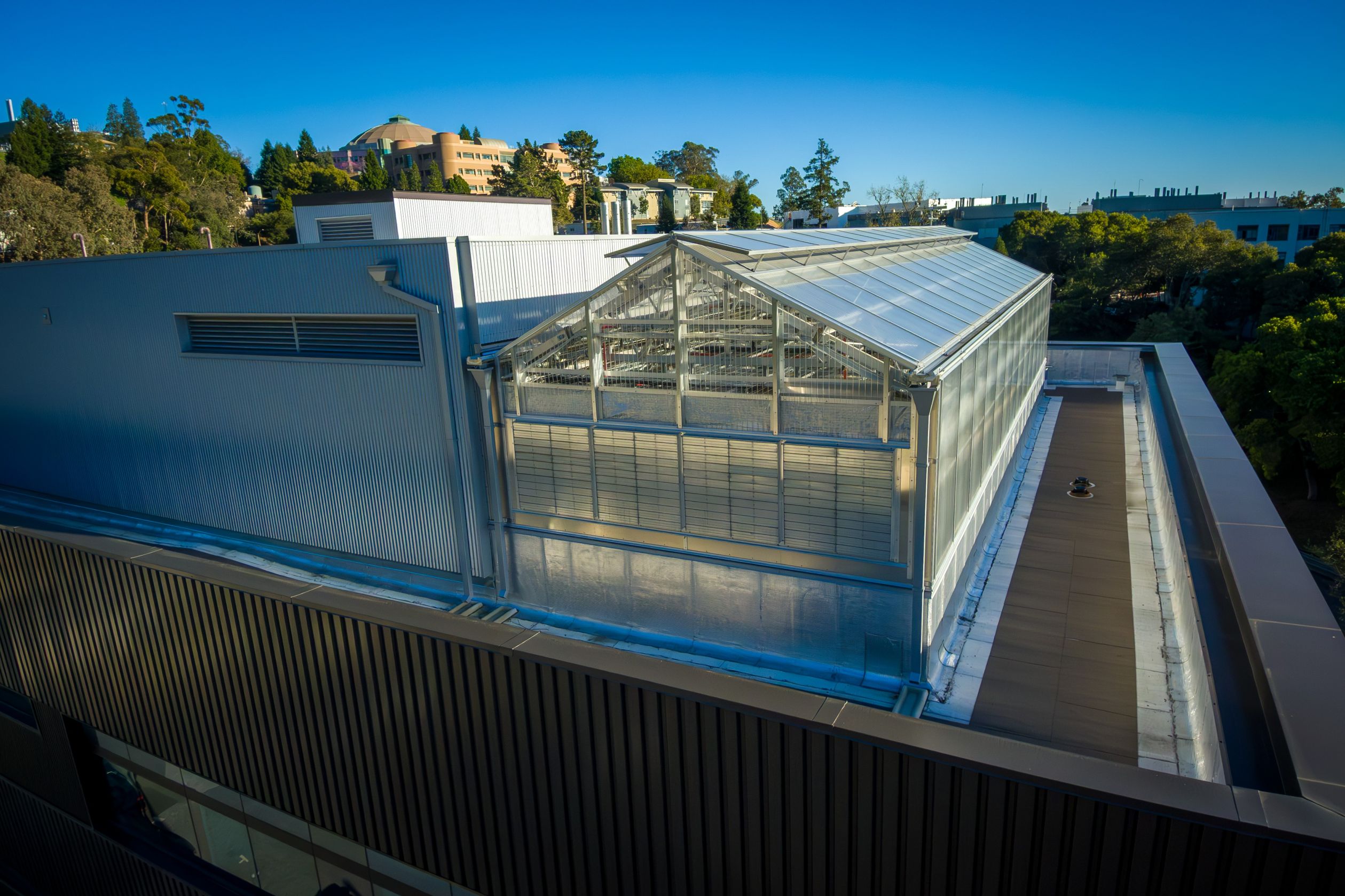
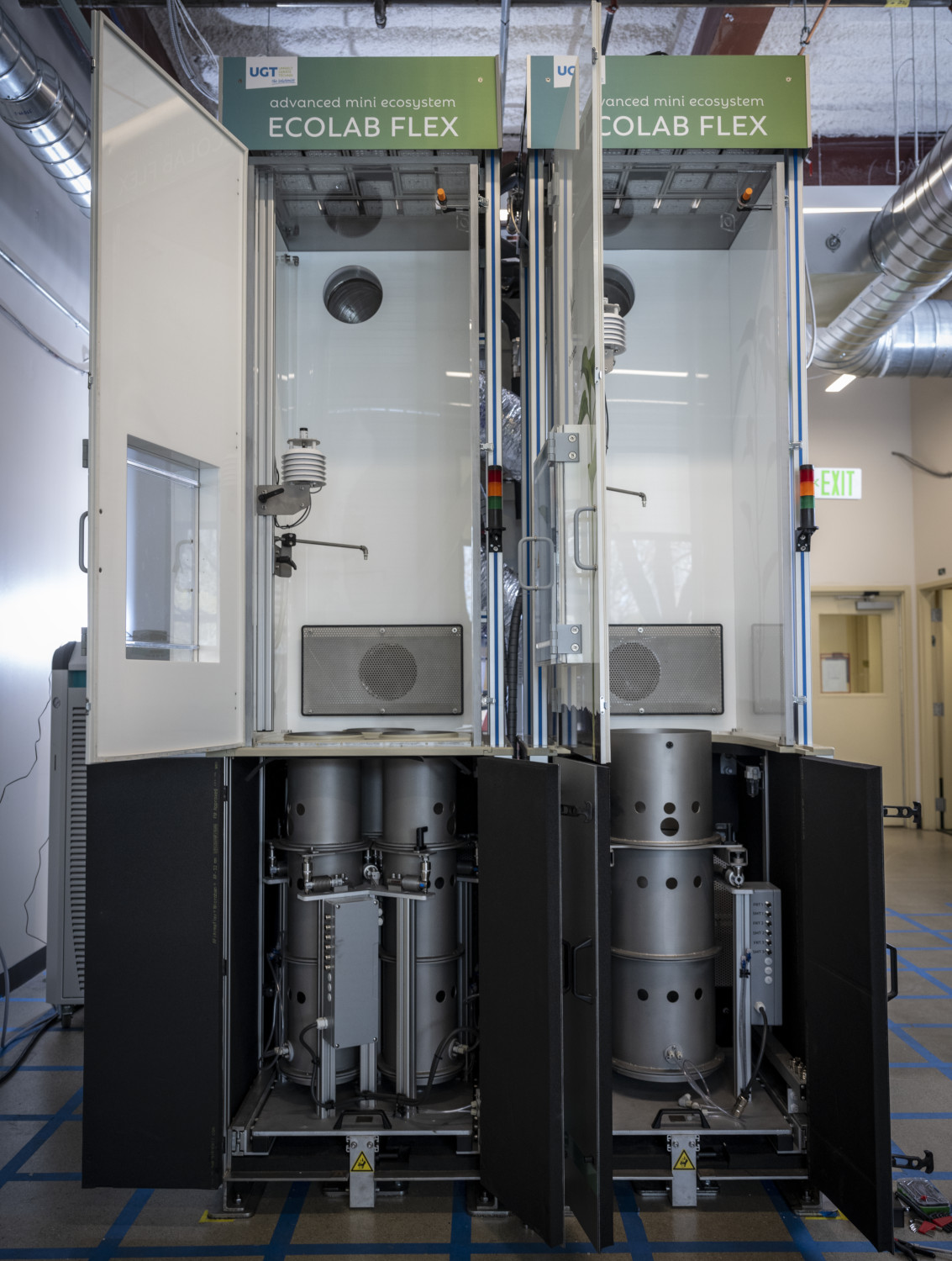
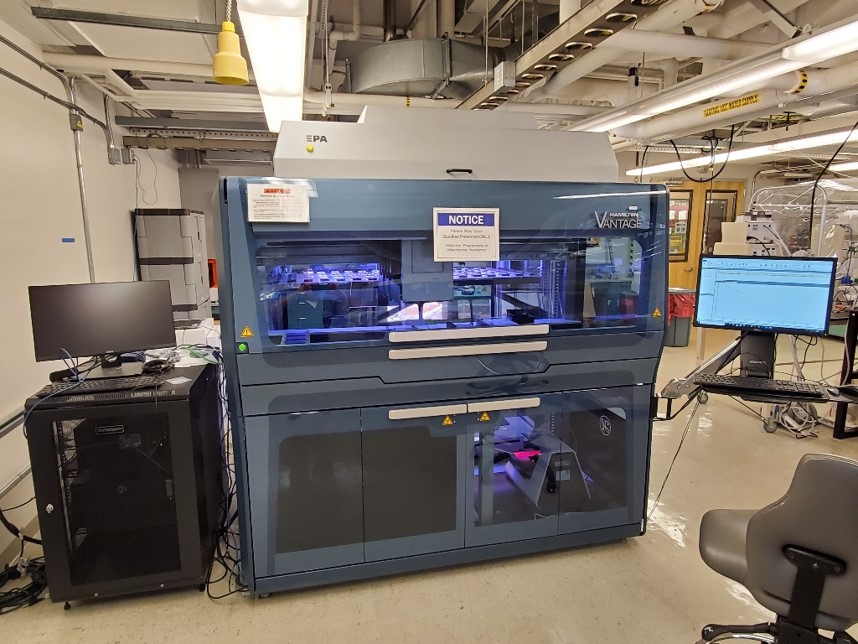
m-CAFEs is a multi-institutional Science Focus Area studying how microbes around plant roots assemble, interact, and function. Our team combines next-generation biotechnologies — including CRISPR-Cas and bacteriophage tools — with AI/ML models and unique laboratory ecosystems to understand soil microbial communities at unprecedented resolution.
By learning how genes and metabolites direct community assembly, we are building the foundation for a new kind of predictive microbiome science — one that can improve the growth of bioenergy crops like sorghum, advance the DOE Genesis Mission, and develop transformantive microbiome biotechnologies.
m-CAFEs research advances along four connected research areas, each contributing to a unified goal: to understand, predict, design, and support microbial communities that matter for DOE missions.
We build next-generation tools — CRISPR-Cas systems and phage-based approaches — to study how genes, molecules, and microbes shape soil community function in their environment.
We use large-scale characterization to learn how microbes interact and assemble around plant roots.
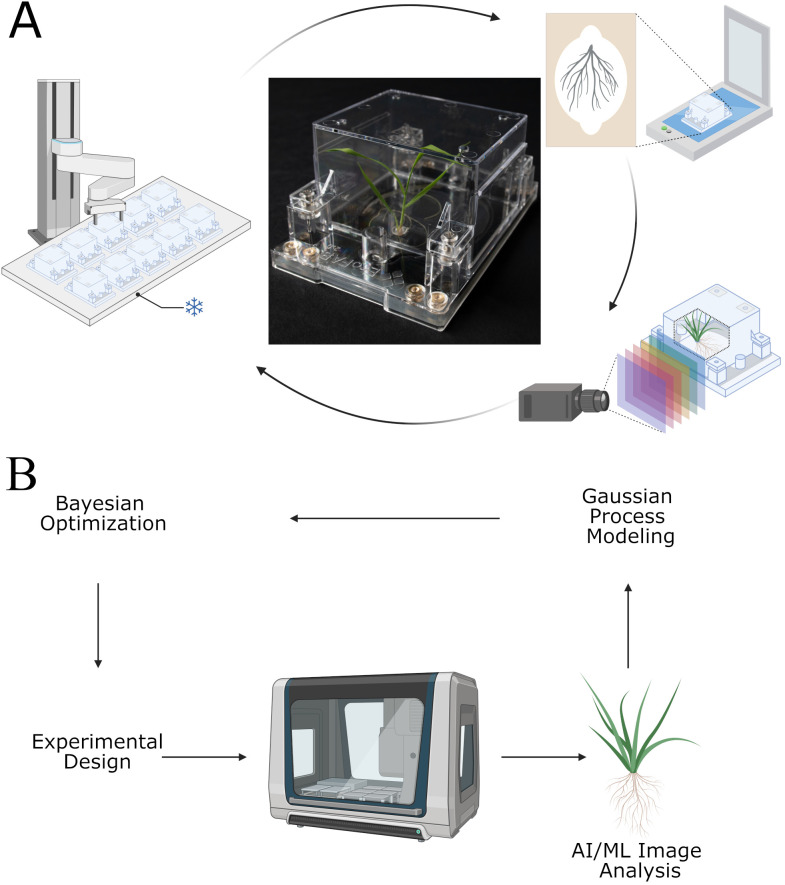
We use laboratory ecosystems to develop AI/ML models that learn from automated experiments and predict how microbial communities assemble and respond to perturbations.
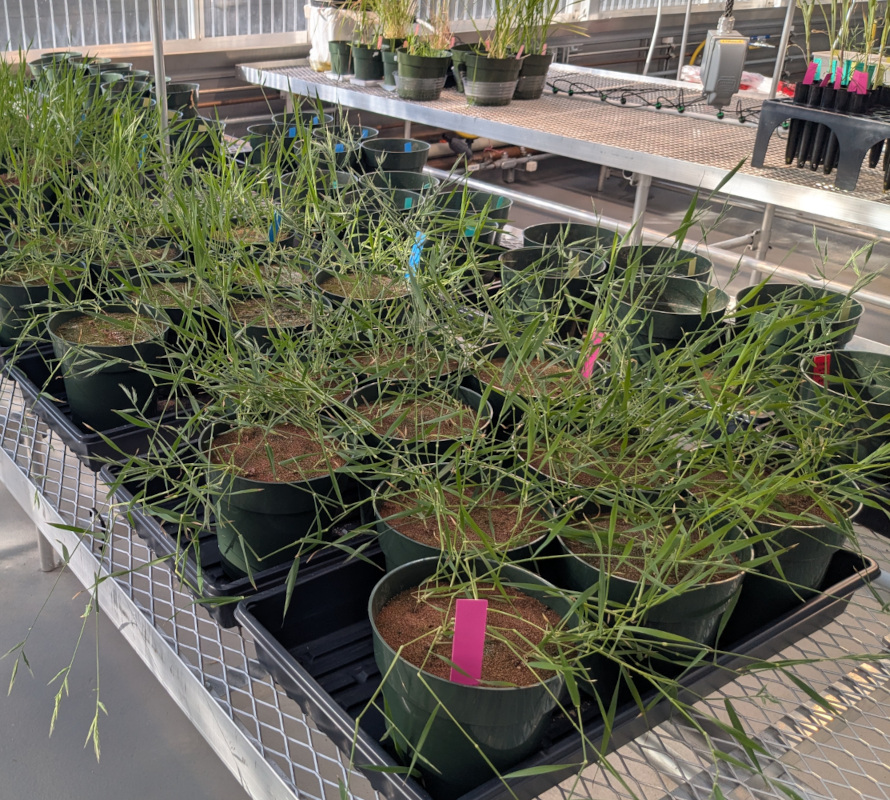
We apply these tools to sorghum, a key bioenergy crop, to understand and support how root microbiomes contribute to plant productivity in real-world conditions.
Selected peer-reviewed findings from our team — illustrating progress across our four research areas and contributions to DOE BER's mission.
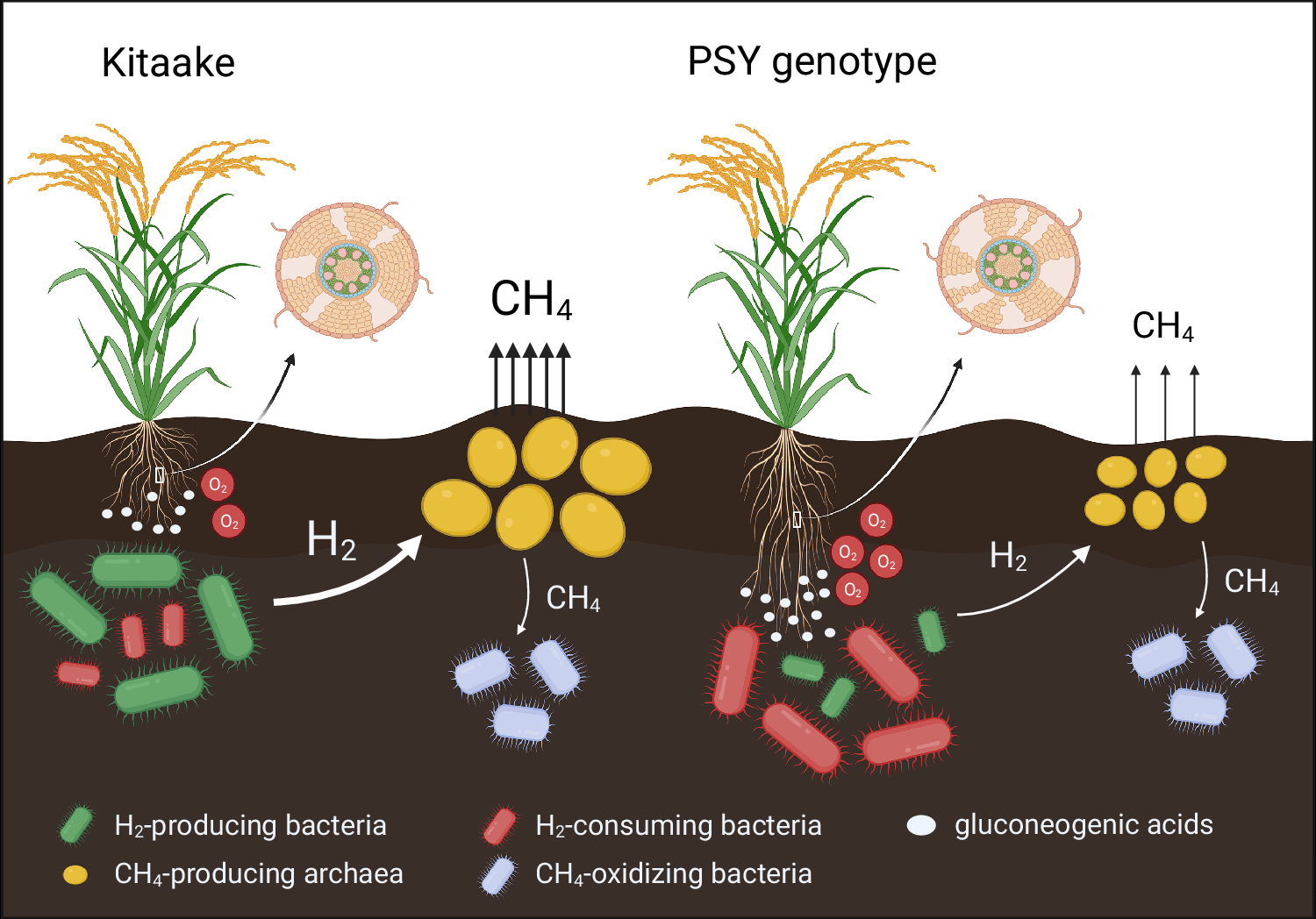
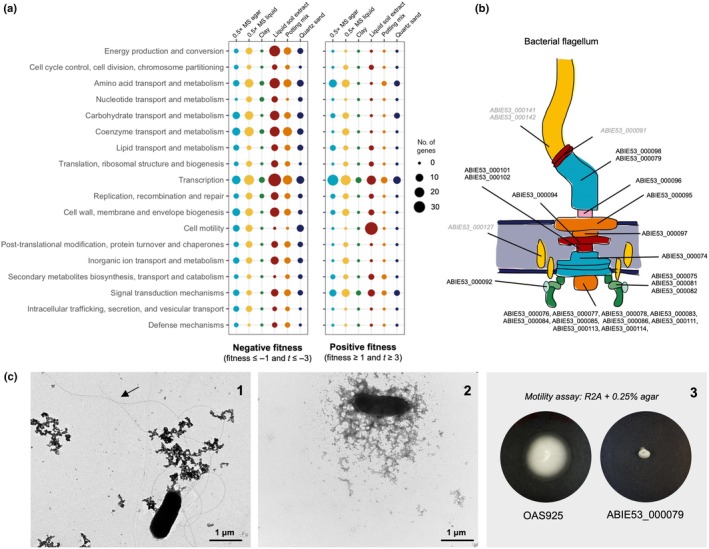
Shi et al., Nature Communications, 10.1038/s41467-026-68640-9
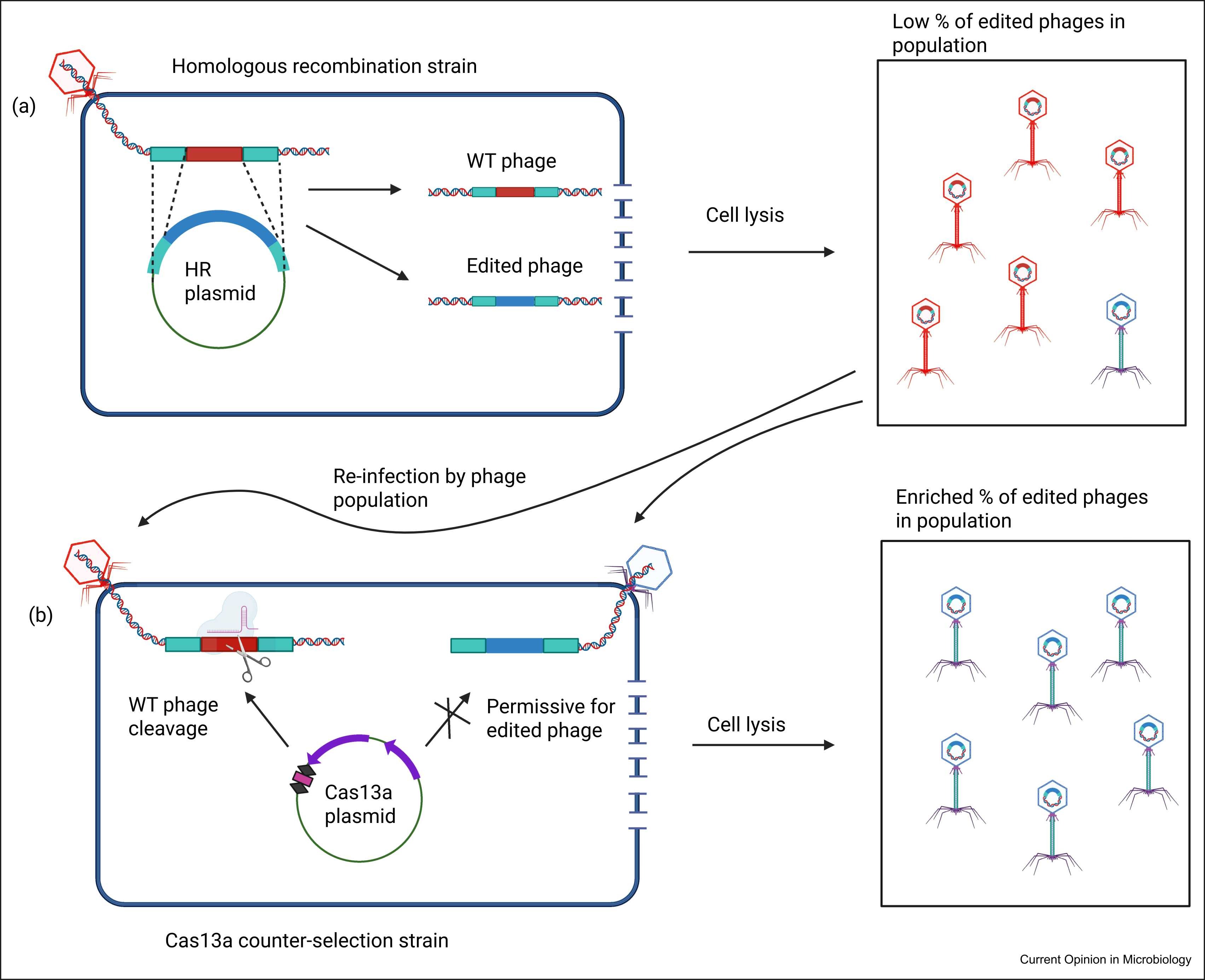
Beckley et al., Current Opinion in Microbiology, 10.1016/j.mib.2025.102704
Doherty et al., Nature, 10.1038/s41586-025-09569-9
Torres et al., New Phytologist, 10.1111/nph.70617
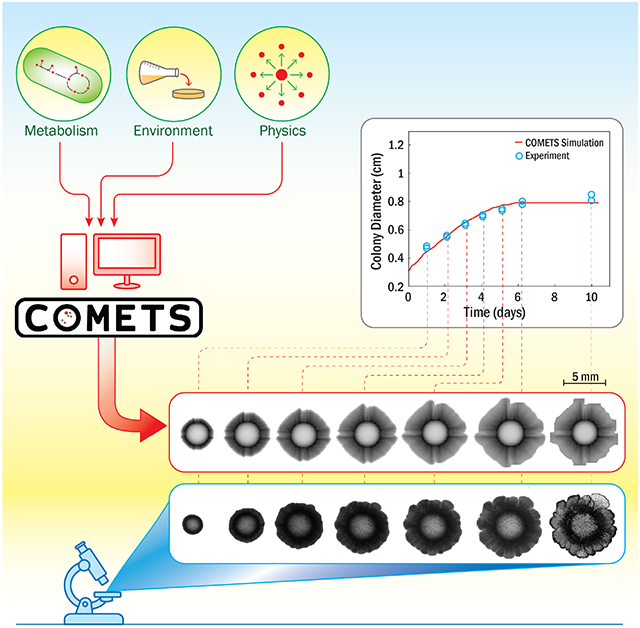
Dukovski et al., Cell Systems, 10.1016/j.cels.2025.101352
Novak et al., PLOS Biology, 10.1371/journal.pbio.3003358
Adler et al., Nature Microbiology, 10.1038/s41564-025-01935-7
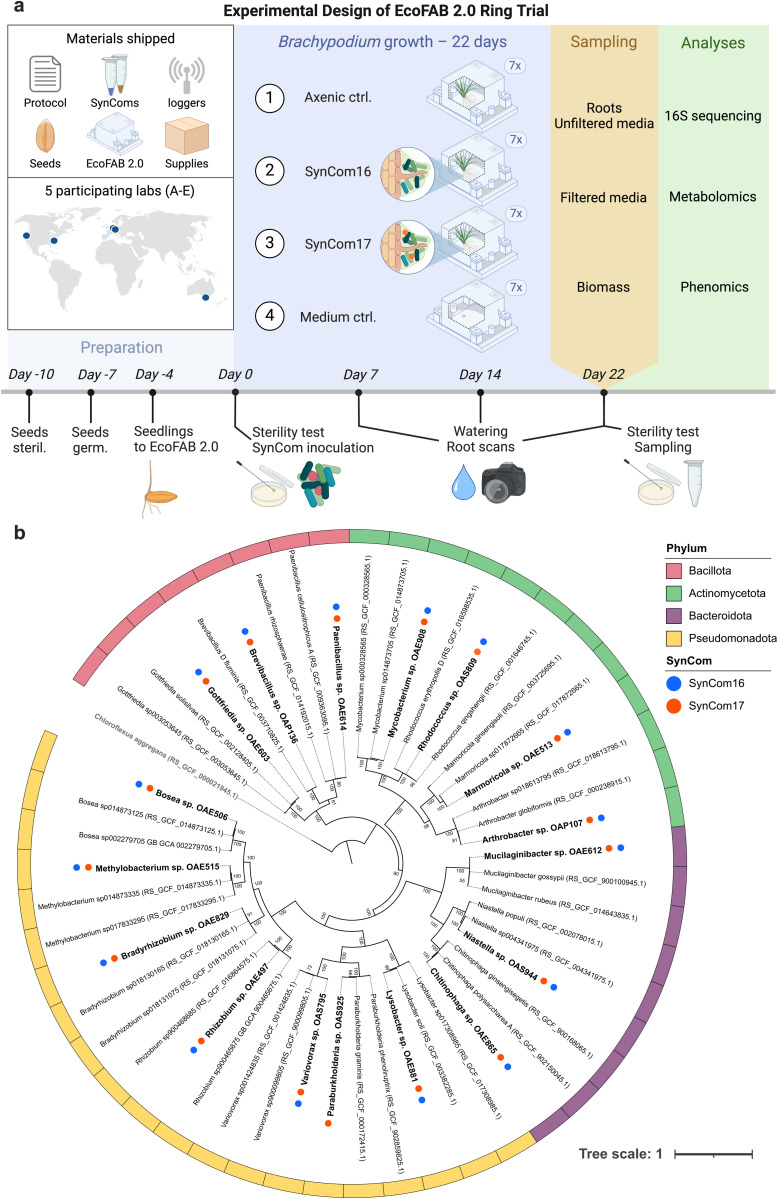
Andeer et al., Frontiers in Plant Science, 10.3389/fpls.2025.1633557
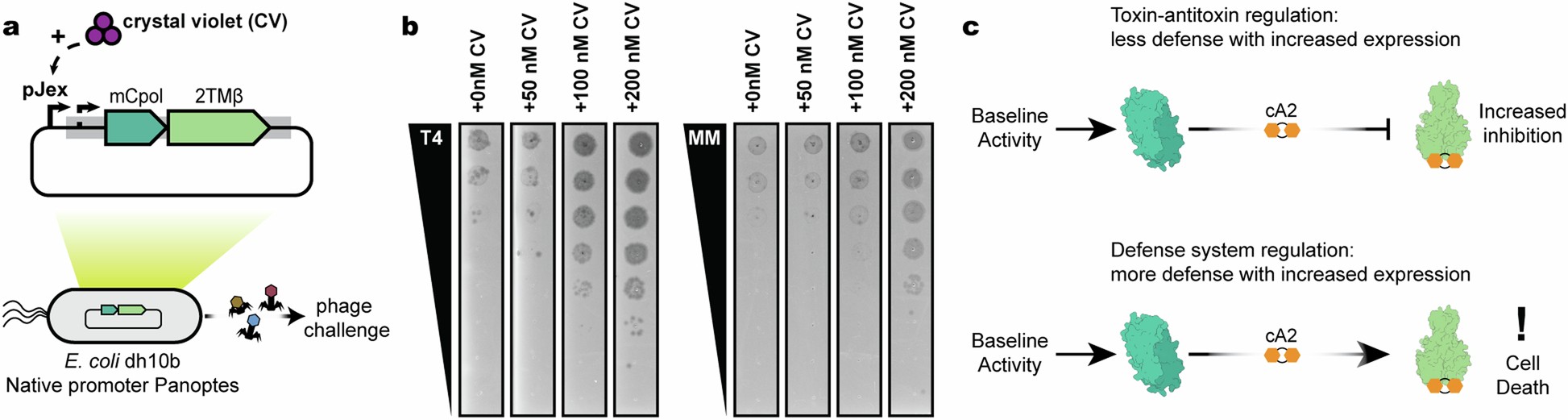
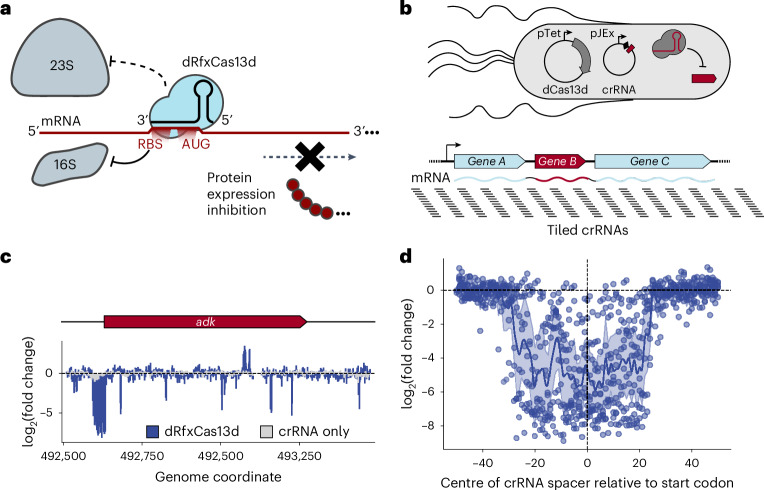
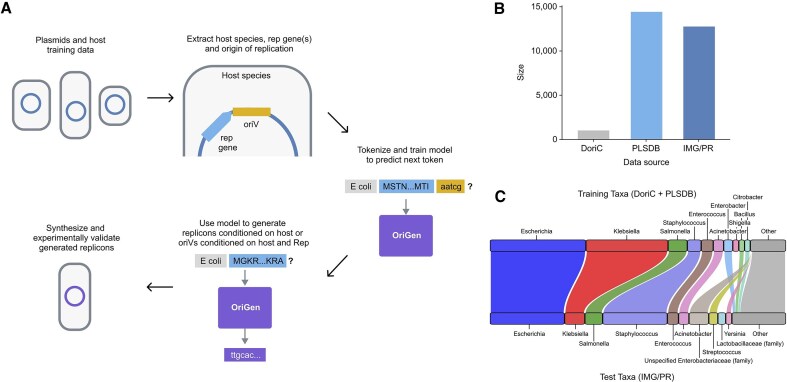
Irvine et al., Nucleic Acids Research, 10.1093/nar/gkaf1198
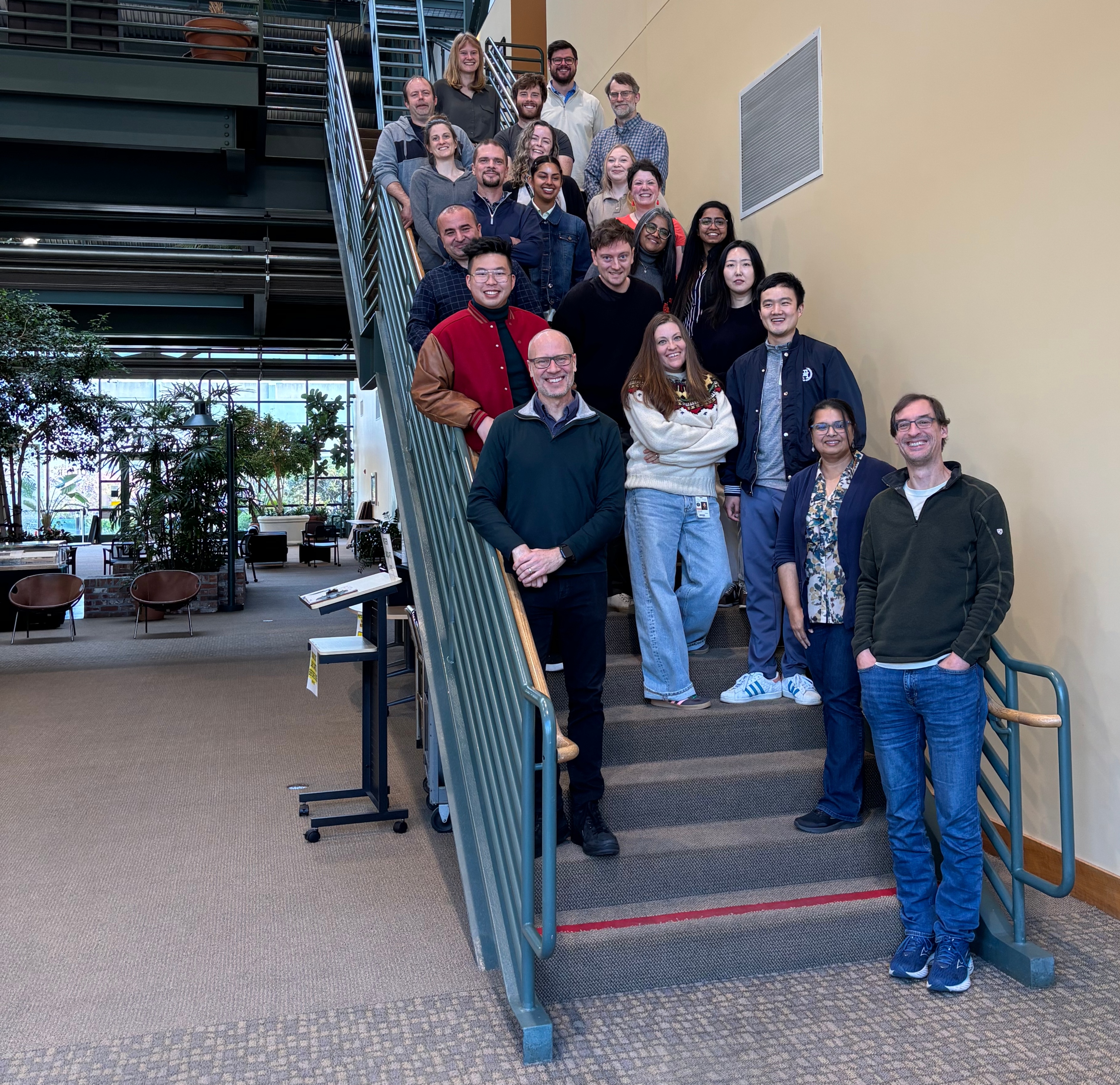
The m-CAFEs team brings together 12 leading researchers across 6 institutions, combining deep expertise in microbial genetics, phage biology, plant biology, metabolomics, AI/ML, and environmental microbiology.
The m-CAFEs SFA is led by Trent Northen (Laboratory Research Manager) and Adam Deutschbauer (Technical Co-Manager). High-level project management support is provided by Caitlin Chiang and Suzanne Kosina.
m-CAFEs collaborates with the three SFAs co-located in BioEPIC — Watershed, ENIGMA, and Belowground Biogeochemistry — and with a number of external collaborators including other National Laboratories, Universities, Industry, Science Focus Area Projects, and Bioenergy Research Centers.
Phage ecology and the role of bacteriophages in shaping microbial communities.
Plant-fungal interactions, mycorrhizal symbiosis, and plant-microbe signaling.
Artificial intelligence and machine learning for biological systems.
Microbial metabolism, geobiology, and how microorganisms shape Earth and human health.
Open science resources from the m-CAFEs team — platforms, protocols, and data repositories available to the broader community.
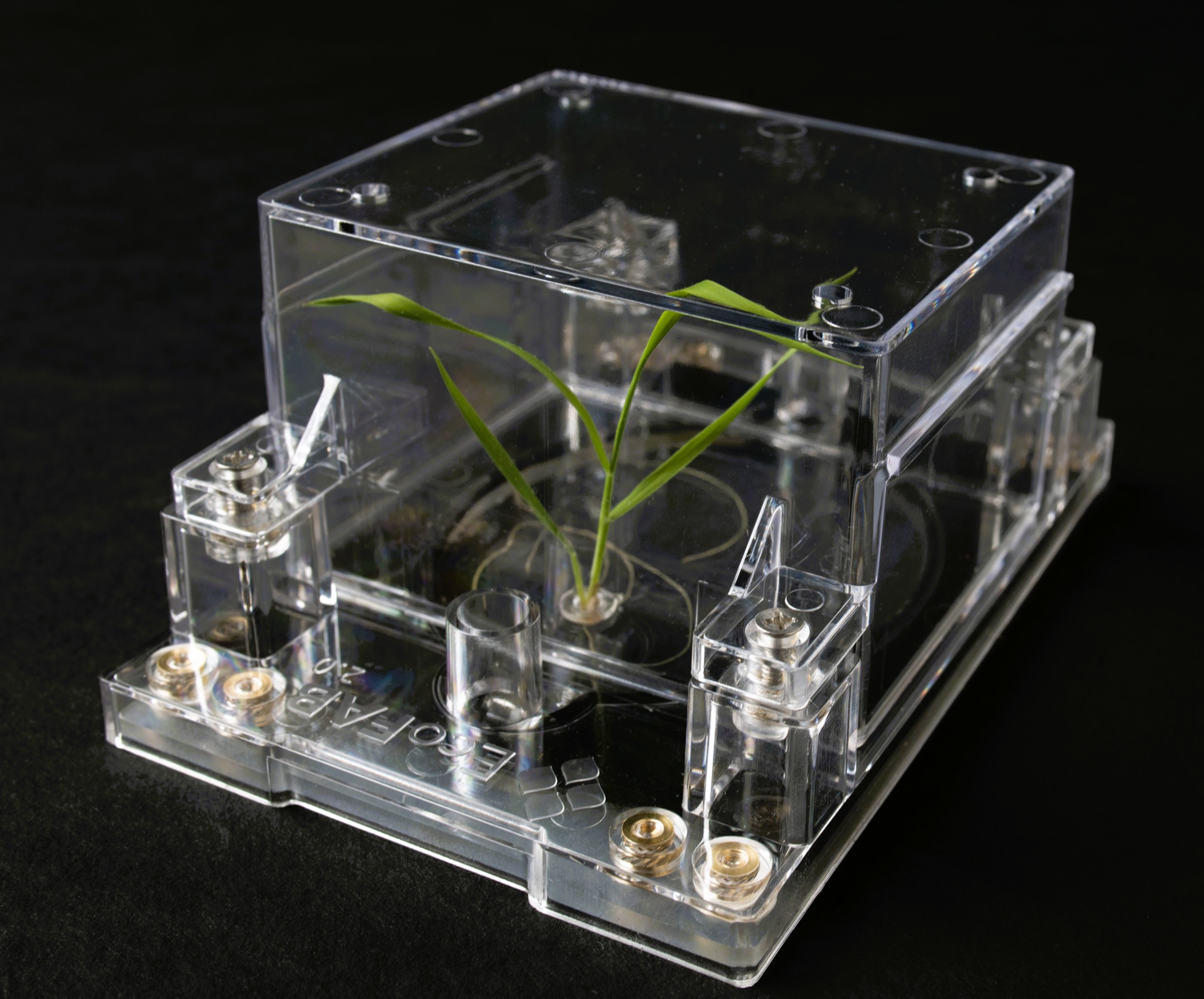
Standardized fabricated ecosystem devices distributed as validated kits with model communities and protocols.
eco-fab.org →
Specifications, environmental research, and results from meter-scale EcoPOD pilots.
ecopods.lbl.gov →
Multi-omics datasets and model outputs deposited in the DOE ESS-DIVE open repository.
ESS-DIVE →Computational workflows and genome analysis pipelines on the DOE KBase platform.
KBase →
Validated protocols for EcoFAB fabrication, CRISPR delivery, soil processing, and multi-omics.
protocols.io →
Soil and rhizosphere datasets in the National Microbiome Data Collaborative.
NMDC →
Computation Of Microbial Ecosystems in Time and Space — a modeling platform for spatially structured microbial community simulations.
runcomets.org →Browse genome-wide fitness data from thousands of experimental conditions across diverse bacteria.
fit.genomics.lbl.gov →
Global Natural Products Social Molecular Networking — a mass spectrometry platform for metabolomics data analysis and sharing.
gnps2.org →
A metabolomics database of compounds produced and consumed by soil and environmental microbes.
webofmicrobes.org →
DOE Joint Genome Institute portals for accessing genomic, metagenomic, and environmental data from JGI projects.
jgi.doe.gov →A network analysis tool for environmental metabolomics, enabling molecular networking of complex soil and rhizosphere samples.
github.com/biorack/envnet →Untargeted metabolomics analytical data and reference standards from the Northen Lab, available for community reuse.
github.com/biorack/metatlas-data →A scalable data lakehouse for integrating and querying large-scale biological and environmental datasets across DOE projects.
KBase Lakehouse →Peer-reviewed and preprint contributions from the m-CAFEs team (updated May 2026).
For the most recent publications, visit the m-CAFEs Google Scholar page.